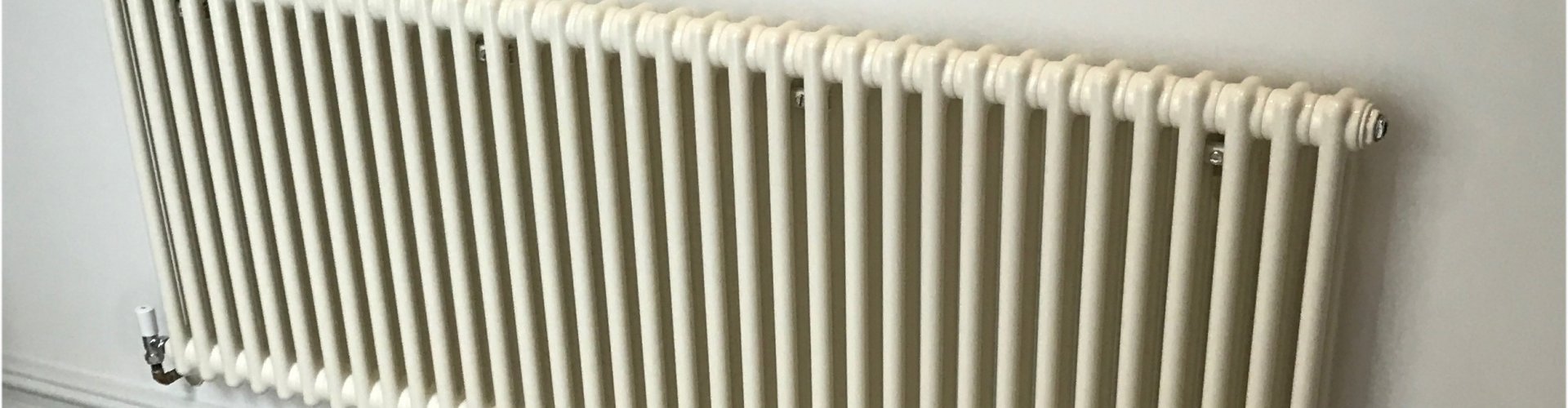
All radiators will need bleeding at some point, and a check once a year, at the beginning of the first cold snap that gets you to turn on your heating, will keep everything running smoothly. Once the heating is on and has had time to heat everything up, feel each of the radiators for inconsistencies in heating. The tell-tale signs are that a radiator is cold at the top OR taking too long to heat up.

- Services
- Locations
- Acton
- Balham
- Battersea and Clapham
- Bloomsbury
- Chelsea
- Chiswick
- City of London
- Clapham
- Cricklewood
- Earl’s Court
- Fulham
- Golders Green
- Hammersmith
- Hampstead
- Hendon
- Highbury
- Highgate
- Hornsey and Crouch End
- Islington
- Kensington
- Kentish Town
- Queen’s Park
- Ladbroke Grove
- Maida Vale
- Mill Hill
- Muswell Hill
- Notting Hill
- Paddington
- Kings Cross
- Shepherd’s Bush
- South Bank
- South Kensington
- St John’s Wood
- Stoke Newington
- Wandsworth
- West Brompton
- West Hendon / Colindale / Kingsbury
- West Kensington
- Westminster
- North Acton
- Rates
- FAQs
- Contact Us
